
One failed berm can mean contaminated soil, an emergency cleanup and a regulatory file that never closes. SprayTight lines secondary containment areas and coats storage tanks across Michigan with seamless spray polyurea — watertight, chemical-resistant membranes that help your facility meet containment requirements and go back into service the same day.
Containment That Actually Contains
Concrete berms, pits and dikes crack. Michigan’s freeze-thaw cycles guarantee it — liquid gets into the concrete, freezes, and the containment area that’s supposed to be your last line of defense starts leaking before the tank does. A spray polyurea lining fixes that permanently: a flexible, seamless membrane that bridges existing cracks, molds around poles, pumps and penetrations, and stays watertight even if the concrete moves again.
Because polyurea cures within seconds, a lined pit or berm is typically back in service the same day. No week-long cure windows, no extended shutdowns — just containment integrity you can show an inspector. For over 25 years we’ve done this work for industrial clients including Consumers Energy, CEMEX, Costco and the City of Midland.
Containment & Tank Applications
Spill Containment Berms
Seamless linings for earthen and concrete berms, with geotextile fabric substrates where needed for a monolithic membrane.
Pits, Dikes & Sumps
Crack-bridging polyurea for concrete pits and dikes that hold chemicals, process water or wastewater.
Fuel Storage
Chemical-resistant containment linings and tank exterior coatings for fuel and petroleum storage sites.
Chemical Processing
Membranes that survive submersion in harsh, corrosive environments around process tanks and transfer areas.
Agricultural & Ethanol
Linings and coatings for agricultural and ethanol tanks and their containment areas — we also insulate these tanks.
Tank Interiors & Exteriors
Polyurea seals steel against rust and keeps concrete tanks from cracking — linings are available NSF approved and USDA acceptable to the ANSI/NSF-61 standard.
Why Polyurea for Containment
- Watertight and seamless — one continuous membrane with no joints, seams or fasteners to fail
- Chemical resistance — holds up under submersion in corrosive environments; systems matched to your stored materials
- Crack bridging — flexible membrane keeps sealing even when concrete shifts and cracks
- Same-day return to service — cures in seconds, minimizing facility downtime
- Helps meet containment requirements — documented, watertight installations that support your compliance program
- 30–40 year service life — with little to no maintenance when applied by an experienced crew
Pair containment linings with our industrial polyurea coatings for floors and equipment, spray polyurea waterproofing for the wider facility, and commercial roof coatings to protect the buildings above your tanks.
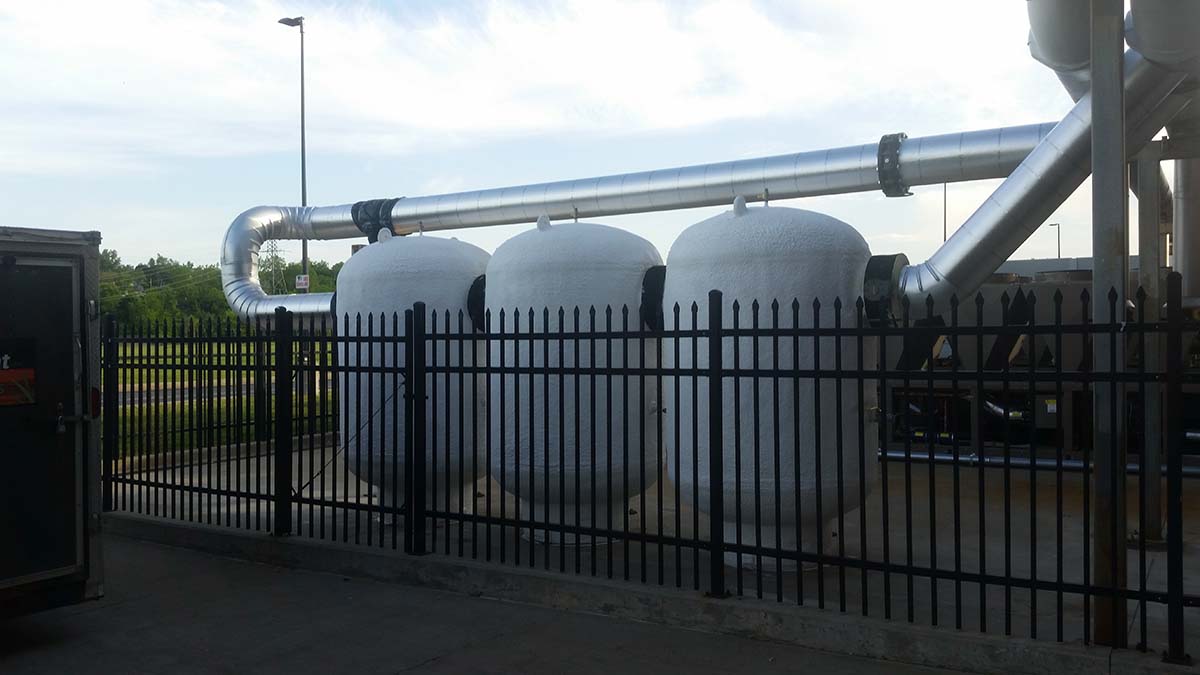
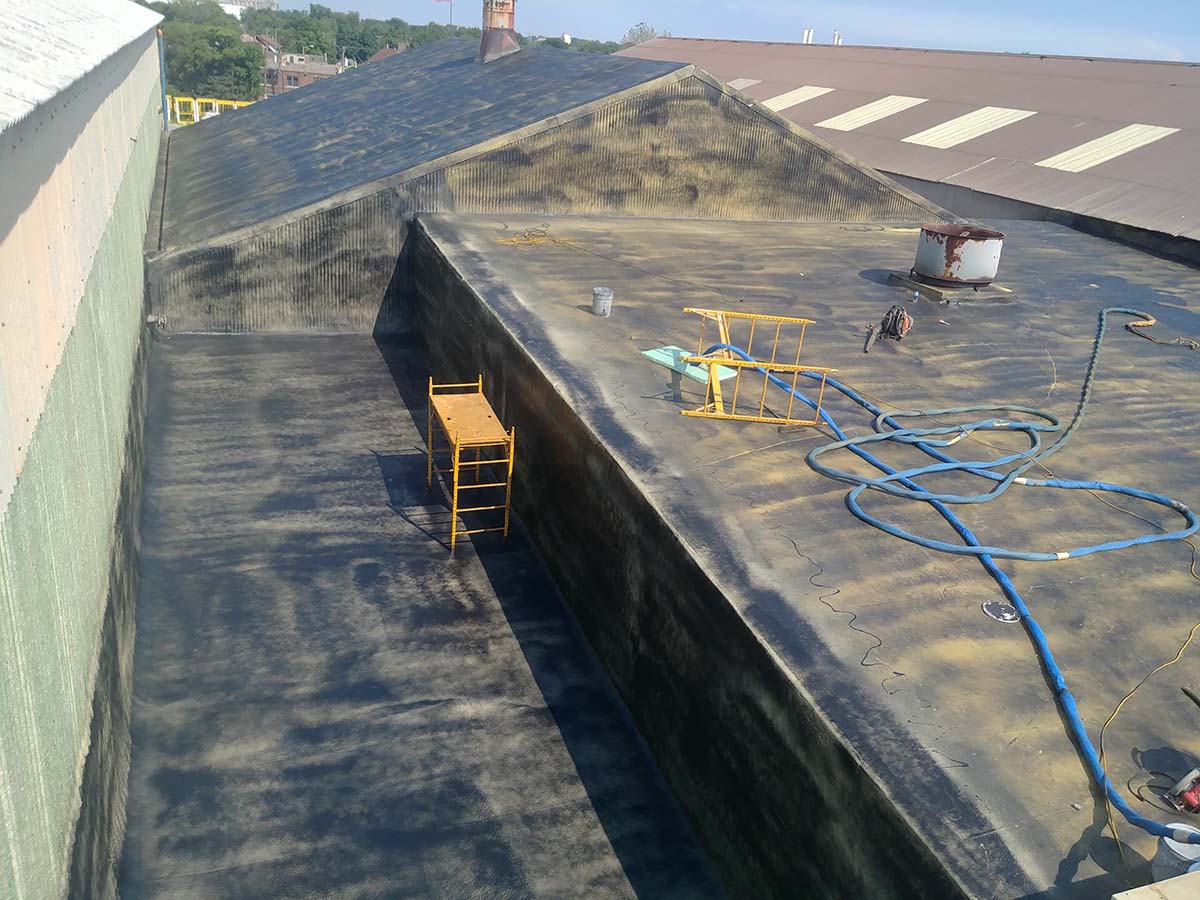
Tank & Containment Project Gallery
Frequently Asked Questions
What is a secondary containment coating?
It's a seamless, chemical-resistant polyurea membrane sprayed over the berms, pits, dikes or sumps that surround tanks and process equipment. If the primary tank ever leaks, the lined containment area holds the spill instead of letting it reach soil or groundwater.
Does a polyurea liner help with EPA and SPCC compliance?
A watertight, chemically resistant liner helps maintain the containment integrity that spill-prevention regulations expect from berms, dikes and pits. We spec the membrane for your stored materials and document the installation; your environmental consultant or inspector confirms overall regulatory compliance for the site.
Can you line existing cracked concrete containment areas?
Yes — that's the most common job we see. Michigan freeze-thaw cycles crack concrete berms and pits. Polyurea bridges those cracks with a flexible, watertight membrane, and even if the concrete moves again, the seal keeps holding.
How long will the facility be out of service?
Usually less than a day per containment area. Polyurea cures within seconds of application, so lined pits and berms can typically go back into service the same day — a major advantage over coatings that need days to cure.
What chemicals and fuels can the lining handle?
Polyurea resists chemical submersion in harsh, corrosive environments and is used around fuel storage, chemical processing, wastewater and agricultural or ethanol facilities. We match the system and any topcoats to the specific materials you store.